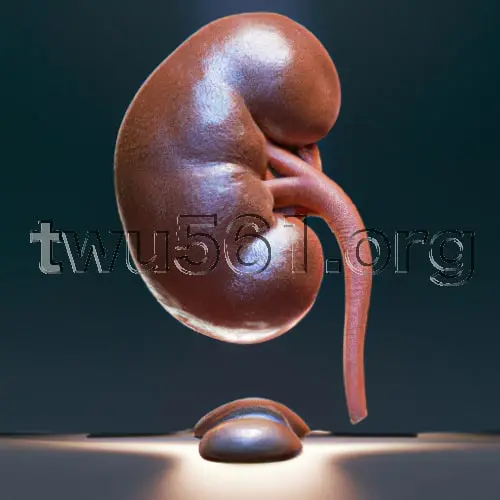
Kidney stones are hardened deposits of minerals and salts that form inside your kidneys. These are not uncommon occurrences, especially in developed countries like the United States, where lifestyle and dietary habits often contribute to their formation. The size of these stones can vary - they can be as small as a grain of sand or as large as a pearl. They may even grow to the size of a golf ball in extreme cases, maintaining a sharp, crystalline structure. The stones might stay within the kidney or travel down the urinary tract. A small stone may pass unnoticed out of the urinary tract, but a larger stone can block the ureter or bladder, causing extreme pain or bleeding.
Although kidney stones are often a standalone health issue, their presence could sometimes be an indicator of underlying health problems, such as metabolic disorders. Hence, understanding kidney stones, their symptoms, and their causes is of utmost importance for those affected by them or at a high risk of developing them.
Kidney stones are a type of crystalline mineral material that forms within the kidney or urinary tract. This happens when the urine becomes concentrated, allowing minerals to crystallize and stick together. These stones might be small and pass unnoticed through the urinary system, but they can also cause immense discomfort when they are large.
Kidney stones come in several types, each of which originates from different kinds of substances. The most common types include calcium stones, struvite stones, uric acid stones, and cystine stones. These stones have varying levels of hardness and can present different symptoms and complications.
The formation of kidney stones is often a result of various factors. The most prevalent cause is the lack of sufficient water in the body. When the body is dehydrated, the urine becomes more concentrated with certain substances that can form stones. These substances include calcium, oxalate, and uric acid.
Furthermore, certain dietary practices could also contribute to the formation of kidney stones. Consuming too much sodium or protein may increase the risk of developing stones, especially in those who are genetically predisposed. Moreover, certain medical conditions, like renal tubular acidosis, cystinuria, and hyperparathyroidism, can also lead to stone formation.
In the United States, studies have shown an increased prevalence of kidney stones over the past few decades, largely due to diet and lifestyle choices. Recognizing these causes is the first step towards implementing effective prevention strategies and treatments.
The symptoms of kidney stones can often vary depending on factors such as the size of the stone and its location in the urinary system. While small stones may not cause noticeable symptoms, larger stones can lead to intense pain and other significant signs.
Recognizing the symptoms of kidney stones early can help in seeking timely treatment and potentially prevent severe complications. Here are some signs that you might be experiencing a kidney stone:
The effective and long-term erectile dysfunction treatment wasn't easy as it now is and the improved scenario owes a great deal to Cialis, a prescription impotence treatment medication introduced in 2003. Prior to introduction of the medication there were only two options that could be administered orally - Viagra and Levitra. The only problem with these two medications is that they are capable of solving the erection problem not more than 5 hours. As a person is allowed to take these medications not more than once within 24 hours duration, with Viagra and Levitra, he doesn't have any other option than to plan his sex life. A recent survey record has suggested that most men with erectile dysfunction actually look forward to enjoy their sex lives normally, not by planning. The long-term action of Cialis pills can make it less necessary to schedule when a person has sex. Cialis is available in three different dosage strengths - 5mg, 10mg, and 20mg - providing options for men with varying degrees of erectile dysfunction. Each Cialis pill https://southafricarx.co.za/ contains tadalafil as an active component. This component functions as an inhibitor of the PDE5 enzyme and remains active in a user's physical system for 36 hours at a stretch. As long as the medication remains active in a man's physical system, it keeps the penile arteries open so that extra blood can enter the penis whenever the man is sexually excited. It means a Cialis user not only treats erectile dysfunction successfully but also receives the opportunity to respond more spontaneously to sexual stimulation. However, the treatment of ED with Cialis 20mg pills may not be recommended to men with underlying health conditions like high blood sugar, cardiovascular diseases, high blood pressure and renal dysfunction. If a man is taking any medication that contains nitrate components he should find an alternative way to take care of his erectile problem as the combination of Cialis 20mg pills and nitrate can be dangerous. Men, who are allergic to any component of the medication or recently (in past 6 months) have recovered from stroke or heart attack, aren't advised to use this pill. So, before you opt for this medication, discuss your complete medical history with your physician to help them make the best decision for your condition. If after taking the medication you feel dizzy, nauseate, tingling sensation in the chest or numbness in the hands, legs or any other part of your body, call for medical assistance immediately. Unlike other impotence treatment medications that need to be taken orally, Cialis 20mg pills are clinically proven as safe if they are taken with out without food and alcohol. Though there is no medically approved evidence that food or alcohol reacts negatively with Viagra or Levitra, physicians generally advise men not to take these together. However, if you consume too much of alcohol (more than five units), a person may feel dizzy or his heart rhythm can be slower. If you are interested in buying genuine Cialis pill, you can do so from .
It's important to note that kidney stones can exist without causing symptoms. In such cases, they are often discovered during investigations for other conditions. However, if you notice any of the above signs, especially if they persist or are accompanied by other symptoms such as fever, it's important to seek medical attention promptly.
Several pharmaceutical companies, including Pfizer, Sanofi, and Novartis, produce medications that aid in the management of kidney stones or in the treatment of their symptoms. Nevertheless, every patient's situation is unique, and treatments should always be discussed with a healthcare professional.
Diagnosing kidney stones accurately is crucial for effective treatment. Medical professionals utilize a combination of physical examination, medical history, laboratory tests, and imaging techniques to identify and evaluate kidney stones. The US leads the world in medical technology, housing giants in the industry such as General Electric, Siemens, and Philips.
Physical examination usually begins with a discussion of the patient's medical history and a review of the symptoms. A doctor might also conduct an abdominal exam to check for tenderness in the area.
Following the physical examination, various lab tests can be utilized. These may include:
Imaging tests play a crucial role in diagnosing kidney stones. They help to identify the location and size of the stone, which aids in determining the appropriate treatment method. The commonly used imaging techniques include:
If a person has recurrent kidney stones, additional tests might be required to identify the underlying cause. A 24-hour urine collection test can help in monitoring the volume of urine produced in a day, along with its chemical composition. Moreover, an analysis of passed stones can determine their type, which could provide insight into potential preventative measures.
Irrespective of the diagnostic method used, it is crucial to remember that the early diagnosis of kidney stones can lead to more effective treatment and potentially prevent more serious complications.
Treatment for kidney stones varies depending on the size of the stone and the symptoms it causes. Small stones with minimal symptoms can often be managed with home treatment, while large stones that cause severe symptoms may require more invasive treatments. In some cases, the stone might need to be removed surgically.
Medicinal treatment mainly focuses on relieving symptoms and helping the stones pass through the urinary system. Some commonly prescribed medications include:
It's worth mentioning that some of the leading pharmaceutical manufacturers of these medications include Pfizer, Sanofi, and Novartis.
If stones are too large to pass or cause bleeding, kidney damage, or persistent urinary tract infections, more invasive treatment may be necessary. The options include:
The choice of treatment method is a decision made based on the size and type of the kidney stone, the patient's overall health, and their personal preference.
Prevention plays a critical role in managing kidney stones, especially for individuals who have had one in the past. Lifestyle changes, particularly in diet, can significantly reduce the risk of developing kidney stones.
Diet can significantly influence the likelihood of developing kidney stones. Certain changes can help prevent stones from forming. These include:
In addition to these dietary measures, maintaining a healthy weight and staying active can also contribute to kidney stone prevention. However, it's always advisable to consult with a healthcare professional before making any significant dietary changes, as they can provide guidance based on individual health conditions and dietary requirements.
Further understanding of dietary impact on kidney stones can shed more light on the necessary adjustments that can contribute to prevention. It's worth mentioning that these recommendations are general, and individual dietary needs might differ based on specific health conditions and personal preferences.
Increasing intake of citric acid: Citric acid, found in abundance in lemons and limes, can help prevent stone formation by binding with calcium in urine, reducing the risk of the calcium forming calcium oxalate stones. It can also prevent small stones from becoming "problem stones" by coating them and preventing other material from attaching and building onto the stones.
Moderating oxalate-rich foods: Oxalate is a natural compound found in many foods, and your body also produces it. When too much oxalate is present in your urine, it can bind with calcium to form calcium oxalate stones. Therefore, it may be beneficial to moderate the consumption of oxalate-rich foods, such as spinach, rhubarb, nuts, wheat bran, and chocolate.
Limiting alcohol and caffeine: Excessive consumption of alcohol can lead to dehydration, a major risk factor for kidney stones. Similarly, beverages containing caffeine can lead to dehydration if they're consumed in place of water or other hydrating fluids. Moderation is key when it comes to these types of beverages.
It's essential to remember that dietary changes should complement medical treatments and not replace them. Also, individual responses to dietary changes may vary, and it's always wise to discuss these changes with a healthcare provider. These efforts combined can significantly reduce the risk of kidney stone development and promote overall kidney health.
Living with kidney stones can be challenging, particularly if the stones frequently recur. The condition can affect both the physical health and emotional well-being of a person. However, with the right strategies in place, managing kidney stones and maintaining a high quality of life is entirely achievable.
Proactive management includes dealing with pain, employing coping mechanisms, and leveraging available resources and support systems. Understanding the condition, consulting with healthcare providers, and taking active steps towards managing the condition can significantly reduce its impact on daily life.
Dealing with the pain caused by kidney stones can be one of the most challenging aspects of the condition. The pain can be severe when a stone is passing and may require strong prescription painkillers. However, once a stone has passed, the pain usually disappears.
During a painful kidney stone episode, rest and hydration are crucial. Over-the-counter pain medications, such as ibuprofen, might also provide relief. However, it's always advisable to consult with a healthcare provider before starting any medication regimen for kidney stone pain.
Additionally, hot compresses or a warm bath can soothe the pain to some extent. Some patients also find relief from various complementary and alternative medicine techniques, such as acupuncture, guided imagery, or biofeedback. However, these methods should be used as a complement to, not a replacement for, traditional medical treatments.
Stress and anxiety are common among people dealing with recurrent kidney stones. Employing effective coping mechanisms can significantly reduce these psychological impacts. Regular physical activity, adequate rest, and relaxation techniques such as yoga and meditation can all contribute to stress management.
Moreover, staying informed about the condition, understanding the triggers, and proactively managing diet and lifestyle changes can also provide a sense of control, reducing anxiety related to kidney stones.
Building resilience is another important aspect. Acceptance, looking for the positive, seeking out humor, and maintaining a hopeful outlook can significantly enhance a person's ability to cope with the condition.
Connecting with others who are dealing with kidney stones can provide emotional support, practical tips, and a sense of community. Online platforms, local health clinics, or hospitals might offer support groups or connections to others living with kidney stones.
Additionally, there are numerous online resources that provide valuable information about the condition, treatment options, and the latest research. Reputable health websites, medical journals, and health blogs can all be good sources of information.
Lastly, health professionals remain an invaluable resource. Regular consultations with healthcare providers, following their advice, and discussing any concerns or questions with them can significantly help in managing kidney stones.
In conclusion, living with kidney stones involves managing physical symptoms, employing effective coping mechanisms, and leveraging support and resources. With these strategies, individuals can lead fulfilling lives despite having kidney stones.
Considering the physical and emotional challenges associated with kidney stones, having access to an array of resources can make a significant difference. Apart from conventional medical care and support, there are numerous additional resources available to people dealing with kidney stones.
The National Kidney Foundation is a leading organization in the U.S. providing a wealth of resources for kidney diseases, including kidney stones. They offer various tools and resources, including educational materials, advocacy opportunities, and community events.
There are also online communities and forums such as the American Association of Kidney Patients (AAKP) or the PKD Foundation, where people living with kidney stones can share experiences, offer advice, and provide emotional support to each other.
Various mobile apps also exist that can help manage kidney health. These applications can assist with dietary tracking, reminding to stay hydrated, or keeping track of medical appointments and medication schedules. Using technology can make the management of kidney stones more manageable and integrated into daily life.
CME programs and webinars can also be useful resources. They provide the latest information on research and treatment advances, beneficial for both healthcare professionals and patients who want to stay informed about kidney stones.
Lastly, don't forget the support that comes from family and friends. They can provide both emotional support and practical help, like accompanying you to doctor's appointments or helping manage dietary changes. Sharing your experiences with them can also help them understand what you're going through and how they can best support you.
In conclusion, an array of resources exists that can assist individuals in managing kidney stones. Utilizing these resources can make the journey much easier and more manageable.
Lifestyle modifications can play a critical role in the prevention and management of kidney stones. This involves staying adequately hydrated, maintaining an active lifestyle, and ensuring a healthy body weight. These changes not only help prevent the formation of new stones but can also contribute to the overall health and well-being of an individual.
It is important to remember that these lifestyle changes should be personalized based on the individual's specific risk factors, medical history, and lifestyle. Consulting with a healthcare provider before making significant lifestyle changes is highly recommended.
Drinking plenty of water is one of the most effective ways to prevent kidney stones. Water helps dilute the substances that can form stones in the kidneys. The more water you drink, the more diluted your urine is, and the less likely it is to form stones.
While the amount of water needed can vary based on individual needs, a good general guideline is to aim for at least 8-10 glasses of water a day. However, individuals with a history of kidney stones might need to consume more water.
Other fluids, such as citrus beverages, can also help due to their citrate content, which helps prevent stone formation. Nonetheless, water should be the primary fluid for hydration.
Regular physical activity not only contributes to overall health but can also play a role in preventing kidney stones. Exercise helps manage body weight and blood pressure, both of which are risk factors for kidney stones.
Physical activity can vary based on individual capabilities and preferences. It can range from light activities, such as walking or swimming, to more intense exercises like running or weight training. The key is consistency and making physical activity a regular part of one's lifestyle.
It's also important to balance exercise with adequate hydration, particularly during intense workouts, as excessive sweating without proper fluid replacement can lead to dehydration, a risk factor for kidney stones.
Maintaining a healthy body weight can also contribute to preventing kidney stones. Obesity is a risk factor for kidney stones, and weight management can reduce this risk.
Eating a balanced diet rich in fruits, vegetables, whole grains, and lean proteins can help maintain a healthy weight. It's also advisable to limit the intake of foods high in sodium and animal proteins, as these can increase the risk of stone formation.
Regular physical activity, as mentioned above, can also help manage weight effectively. However, it's essential to approach weight loss in a healthy and sustainable manner, and ideally under the guidance of a healthcare provider or a registered dietitian.
In conclusion, lifestyle modifications are a critical component of managing kidney stones. By staying hydrated, being physically active, and maintaining a healthy weight, individuals can significantly reduce their risk of developing kidney stones.
Kidney stones can significantly impact the quality of life, affecting the physical, emotional, and social aspects of an individual's life. By understanding these impacts, healthcare providers can better support their patients, and individuals can better cope with the condition.
The physical impact of kidney stones is often the most immediately apparent. This can include recurrent pain, urinary problems, and fatigue. Pain related to kidney stones can range from mild discomfort to severe pain, often described as one of the most intense types of pain a person can experience. This can affect a person's ability to work, exercise, and carry out day-to-day activities.
The frequent need for medical attention and treatment, including surgery, can also have a significant physical toll. Side effects from treatments, such as pain or discomfort, can further contribute to the physical burden of the disease.
The emotional impact of living with kidney stones can also be substantial. The unpredictability of pain episodes can lead to anxiety and fear. The recurrent nature of the condition can also lead to feelings of frustration and depression. Individuals with kidney stones may worry about future stones and the impact on their life and health.
Managing the emotional impact can be challenging and may require mental health support, including counseling or therapy. Support from family, friends, and support groups can also be invaluable in dealing with the emotional aspects of the condition.

The social impact of kidney stones can be significant as well. Recurrent pain and the need for treatment can lead to missed work or school, affecting a person's career or education. It can also disrupt social activities and relationships, leading to feelings of isolation or disconnect.
Financial stress can also be a factor, especially if the condition leads to significant medical costs or loss of work. For some individuals, the social implications of kidney stones may require changes in their life plans or aspirations.
In conclusion, the impact of kidney stones on quality of life is multi-faceted and significant. By acknowledging these impacts and addressing them, individuals with kidney stones, their families, and their healthcare providers can work together to improve the quality of life despite the condition.
The field of kidney stone research is continually evolving, with researchers worldwide working to understand better the causes, prevention, and treatment of this common health condition. These studies and advancements could potentially change how kidney stones are managed in the future.
New treatment approaches for kidney stones are under investigation, focusing on more efficient and less invasive methods. For instance, recent advancements in laser technology are being studied for the treatment of kidney stones. This method uses different wavelengths to break down kidney stones more efficiently, potentially minimizing the need for surgical intervention.
Moreover, some experimental drugs aim to alter the composition of urine to prevent stone formation. These pharmacological agents are designed to inhibit the crystallization process that leads to the formation of stones.
Preventive strategies for kidney stones are being researched extensively. A promising area of investigation involves understanding the role of diet and nutrition better. Specific dietary interventions may be able to significantly reduce the risk of stone formation, and ongoing studies aim to identify these potential dietary factors.
Moreover, the role of the gut microbiome in kidney stone formation is an emerging area of interest. Some research suggests that certain types of gut bacteria may influence the development of kidney stones, opening up potential new avenues for prevention.
Breakthroughs in kidney stone research are changing our understanding of this condition. For instance, advanced imaging technologies have enabled scientists to examine kidney stones at a microscopic level, revealing insights into how they form and grow.
Furthermore, studies into the genetic aspects of kidney stones are paving the way for potential future personalized medicine approaches. Researchers have identified several genes that may increase susceptibility to kidney stones, which could guide the development of personalized prevention and treatment plans based on an individual's genetic profile.
In conclusion, the field of kidney stone research is dynamic and rapidly advancing. These developments hold promise for improved prevention, diagnosis, and treatment strategies in the future, potentially transforming the lives of individuals affected by kidney stones.
Kidney stones can affect a broad spectrum of the population, including specific groups like the elderly, children, and pregnant women. Understanding how kidney stones affect these populations can help inform targeted prevention and treatment strategies.
The elderly are often more susceptible to kidney stones due to age-related changes in the body. For instance, the kidneys' function naturally decreases with age, leading to a higher concentration of minerals in the urine that can form stones. Furthermore, certain medications commonly used in the elderly, such as diuretics, can increase the risk of stone formation.
Treatment for kidney stones in the elderly needs to be carefully considered. Some methods, like certain surgical procedures, may pose more risks due to potential underlying health conditions. Therefore, a comprehensive health evaluation is essential before deciding on the most suitable treatment.
Although less common than in adults, kidney stones in children are a growing concern. A marked increase in the incidence of pediatric kidney stones has been observed in recent years, which could be linked to changes in diet and lifestyle.
Diagnosis of kidney stones in children can be challenging due to non-specific symptoms. The most common signs include flank pain and blood in the urine, but these can be easily mistaken for other conditions. Therefore, a high index of suspicion is necessary for timely diagnosis and treatment.
Kidney stones during pregnancy pose unique challenges due to the risks they present to both the mother and the unborn baby. Hormonal changes during pregnancy can affect the urinary tract, increasing the risk of stone formation. Also, the growing uterus can cause urinary tract obstruction, leading to an increased risk of kidney stones.
The diagnosis and treatment of kidney stones in pregnant women should be handled with care. The use of radiation-based imaging techniques is limited due to potential harm to the fetus. Non-invasive treatments are preferred, and surgical intervention is reserved for cases where the mother's or baby's health is at risk.
In conclusion, kidney stones can affect anyone, regardless of age or condition. Awareness and early detection are critical, especially in these specific populations. By acknowledging these challenges and addressing them, healthcare providers can ensure that all patients receive the care they need.
This article has extensively covered kidney stones, from understanding their nature and causes to exploring various symptoms, diagnostic methods, and treatment options. Additionally, it delved into preventive measures, lifestyle modifications, the impacts on quality of life, and the latest research developments in this field. Moreover, it highlighted how kidney stones affect specific populations, such as the elderly, children, and pregnant women.
Kidney stones are hard deposits formed from minerals and salts that crystallize in the kidneys. Their formation can be attributed to several factors, including dehydration, certain diets, and specific medical conditions.
Symptoms can range from no signs at all to severe pain, blood in the urine, or frequent urination. Diagnostics involve various imaging tests and sometimes additional laboratory tests. Treatments can be medicinal, surgical, or lifestyle modifications, depending on the stone's size and location.
Preventing kidney stones involves dietary changes and staying adequately hydrated. Living with kidney stones requires managing pain, employing coping mechanisms, and seeking support and resources. Specific populations—such as the elderly, children, and pregnant women—face unique challenges related to kidney stones.
As research progresses, new treatments and preventive strategies continue to emerge. These advancements hold promise for improving the quality of life for those affected by kidney stones.
In conclusion, kidney stones are a common but complex condition. It requires awareness, timely diagnosis, and appropriate treatment. Continued research and advancements in this field are vital to improve the lives of those suffering from this condition.